
Our bodies are complex, and many health conditions can affect other aspects of health. Diabetes and hypertension, for example, two of the most common health conditions in America, can indirectly lead to hearing loss. When multiple health conditions occur simultaneously, managing them can be confusing. As hearing experts, we’re here to help.
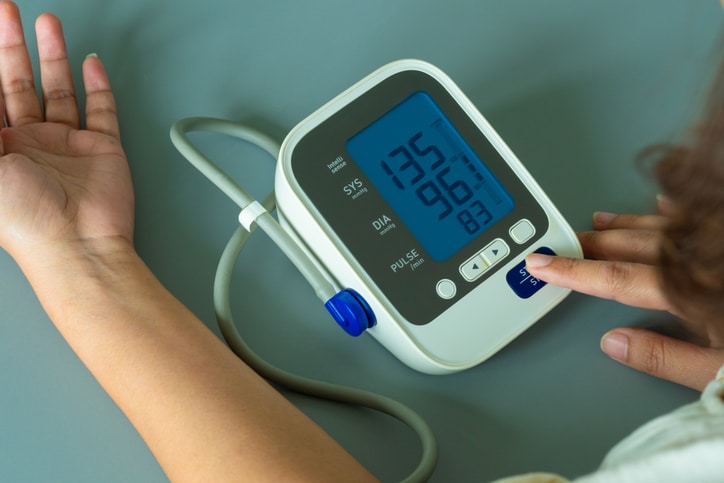
How Do Diabetes and Hypertension Cause Hearing Loss?
The cochlea is an organ in your inner ear, and it is the main hearing organ. It contains thousands of sensory cells that catch vibrations from sound waves, convert them into electrical signals and transmit them to the brain. When these sensory cells are damaged or destroyed, they can no longer transmit sound to the brain, and that is how hearing loss, particularly age-related hearing loss and noise-induced hearing loss, occurs.
These sensory cells require steady, healthy blood flow to do these tasks. Without it, they cannot function and will deteriorate. Diabetes and hypertension both affect blood flow throughout the body, and that includes the cochlea. Both diabetes and hypertension cause damage to the blood vessels that carry blood to the sensory cells, interrupting blood flow and causing damage to the cells.
Studies show that people with diabetes are twice as likely to have hearing loss, and people with hypertension are similarly more likely to develop hearing loss.
How to Tell if Hearing Is Affected by Diabetes or Hypertension
If you’ve been diagnosed with diabetes or hypertension, here are some symptoms to watch out for that could indicate that your hearing health is being affected:
- Frequently asking others to repeat themselves
- Difficulty hearing in noisy places, such as busy restaurants
- Trouble following conversations, especially those that involve more than two people
- It sounds like everyone is mumbling
- Trouble hearing high-pitched sounds, such as birdsong or the voices of women and small children
- People complain that you’ve turned the TV up too loud
It’s a common myth that, if your ears feel warm or turn red, it’s a sign of changes in blood pressure. This is not necessarily true; while it can indicate changes in blood flow, it’s usually due to a more temporary cause, such as emotions, hormones (such as adrenaline), or other non-blood pressure conditions.
Getting Your Hearing Checked
If you’ve noticed any of the symptoms of hearing loss listed above, it’s a good idea to get your hearing tested as soon as possible. This can determine whether there has been any damage to your hearing and, if so, the extent of the damage.
In your consultation with the audiologist, be sure to mention your diagnosis, as it can help your audiologist get the full picture of your hearing health and the factors at play. After that, your audiologist can help monitor changes to your hearing throughout your treatment journey with diabetes or hypertension, and treat your hearing loss accordingly.
Managing Diabetes and Hypertension
In terms of dealing with diabetes and hypertension, it’s critical to follow the health plan that you’ve developed with your care team. In some cases, treating or even fully reversing these conditions can even help restore hearing, but not always. Any damage already sustained is usually permanent, but you can prevent further damage to the cochlear sensory cells by managing diabetes or hypertension.
If you have any other questions about how diabetes, hypertension or other cardiovascular conditions can affect your hearing, or if you need to schedule an appointment for a hearing test, call our offices at Beneficial Hearing Aid Center. We look forward to being a part of this health journey and helping you manage your overall health and wellbeing.